













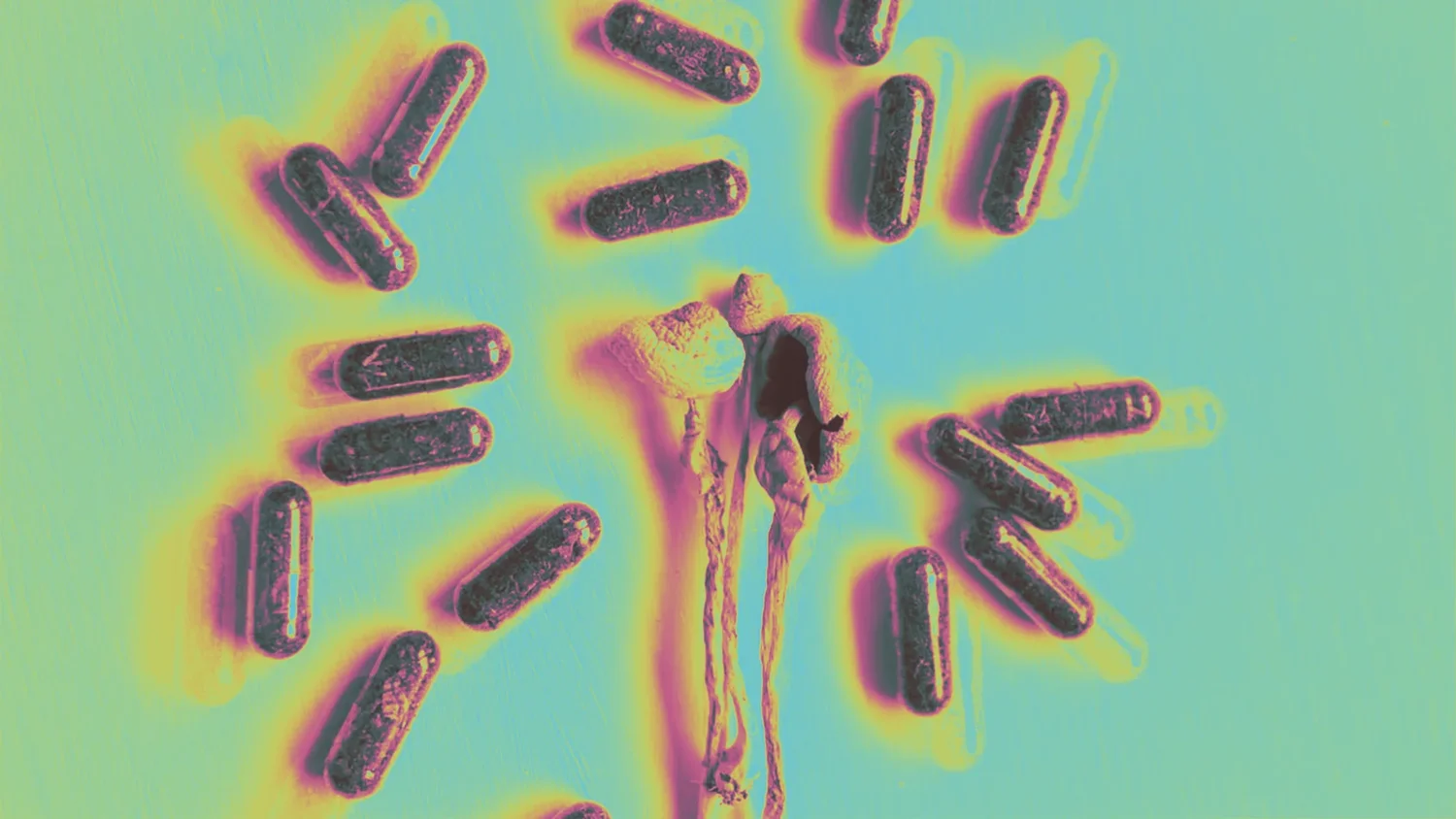
In recent years, the term "microdosing" has gone from obscure jargon whispered among underground circles to a mainstream phenomenon sweeping across social media, wellness communities, and even some scientific circles. At its core, microdosing involves taking tiny, sub-perceptual amounts of psychedelics—think LSD or psilocybin mushrooms—administered in doses so small they're unlikely (or at least shouldn't) produce noticeable psychedelic or psychoactive effects. Proponents claim that these minuscule doses can unlock a host of benefits: heightened creativity, improved mood, increased focus, emotional resilience, and even relief from mental health issues like anxiety and depression.
But as the microdosing craze swells and more people experiment with these substances—often without medical supervision—it raises a fundamental question: are these benefits real, or are they primarily a product of the placebo effect? In other words, do people genuinely experience a pharmacological boost, or are they simply perceiving benefits because they believe they should? And if it's the latter, does that matter?
The concern over placebo effects isn't new, especially in the realm of psychology and alternative medicine. Yet, in the absence of rigorous scientific trials—especially large-scale, double-blind, placebo-controlled studies focused on microdosing—much of the evidence remains anecdotal, subjective, and open to interpretation.
For many microdosers, the allure is undeniable. They report heightened creativity, increased emotional clarity, and a sense of flow that seems to carry them through demanding days. But how much of that is due to the pharmacological action of tiny doses? Or how much is simply the brain's response to expectation and belief—the typical hallmarks of the placebo response?
If indeed microdosing's apparent benefits are mostly placebo, that doesn't necessarily render them useless—belief, after all, has a powerful impact on mental health and well-being. But it does challenge the narrative of psychedelics as a pharmacological revolution and calls for more scientific rigor in evaluating their true effects.
Call or text 62-FIRESIDE (623-473-7433)
What Is Microdosing?
At its most basic level, microdosing involves taking a tiny amount of a psychedelic substance—typically LSD or psilocybin mushrooms—just enough to produce minimal perceptual changes, if any at all. Unlike a full psychedelic trip, which can last several hours and include vividly altered states of consciousness, microdosing is intended to be sub-perceptual: users shouldn't feel "high" but instead notice subtle shifts in their mental landscape.
The standard dose varies depending on the substance but generally falls around 1/10th to 1/20th of a recreational dose. For LSD, this might mean about 10 to 20 micrograms—roughly a tenth of a typical recreational dose of 100-200 micrograms. For psilocybin mushrooms, doses range from about 0.1 to 0.3 grams of dried mushrooms, depending on potency. The idea is to administer these tiny amounts on a regular schedule—often every few days—to promote ongoing benefits without the intense effects associated with higher doses.
In the past decade, microdosing gained a lot of mainstream popularity, thanks in large part to Silicon Valley techies, artists, and entrepreneurs who have been vocal about the purported benefits of this now-trendy practice—touted in some contexts even as an alternative to more pharmaceutical approaches like SSRIs or adderall for the treatment of anxiety, depression, or ADD. Unlike traditional therapies or pharmaceuticals, microdosing offers an alternative route: self-experimentation, anecdotal experimentation, and "hacking" the mind.
Despite its popularity, the scientific community remains cautious. The doses are so small that traditional research methods struggle to measure their effects precisely. Moreover, because microdosing is often done outside formal clinical settings, there's little standardized dosing, and user reports vary wildly. Some describe profound benefits, while others notice no difference or even negative side effects like anxiety or irritability.
While advocates argue that microdosing could help treat depression, anxiety, or ADD, skeptics question whether these benefits are real or simply placebo-driven. Nonetheless, its popularity persists, beckoning especially beginner psychonauts to dip their toes into the psychedelic water without the "trip."
The Purported Benefits of Microdosing
Many microdosers report that small doses of psychedelics help them tackle everyday stressors with a newfound resilience. Some say they experience fewer mood swings, greater emotional clarity, a sense of balance that wasn't there before, and even relief from physical conditions like chronic pain. Others claim to have enhanced their focus at work, improved their artistic expression, or even alleviated symptoms of depression and anxiety. The idea of unlocking hidden potential, or "hacking" the mind, has captivated a generation seeking alternatives to traditional pharmaceuticals.
Celebrity endorsements and high-profile entrepreneurs have further fueled this perception. Figures like Steve Jobs famously credited psychedelics—though not necessarily microdoses—for inspiring their creativity and innovation. In the tech world, microdosing has become a kind of secret weapon, believed to sharpen cognitive function and spark productivity. It's marketed as a natural, legal, and accessible way to optimize mental performance and emotional health.
However, despite the purported benefits, there's no standardized protocol or consistent dosing, and so individual experiences vary widely. Some people swear by it, claiming it's "life-changing," while others report no noticeable effects or even adverse experiences. The placebo effect can't be ignored here—especially since many of these claims are based on subjective reports that are difficult to verify scientifically.
The Scientific Evidence: What Do We Know?
When we look closely at the existing research—much of which is preliminary, small-scale, or anecdotal—the picture becomes murky. The stark reality is that, despite the fervor and widespread self-experimentation, rigorous, large-scale clinical trials remain scarce.
Most of the early data on microdosing stems from self-report surveys, community-led studies, and anecdotal accounts—precisely the kind of evidence that makes scientists cautious. For years, psychedelics existed in the shadows, difficult to study under the constraints of regulatory oversight. Now, as legislation loosens and research accelerates, a handful of studies have attempted to separate fact from fiction.
One of the most notable efforts was led by researchers like James Fadiman, who popularized the concept of microdosing. His work, while influential, was largely based on self-reported data collected through online surveys. While intriguing, these reports are inherently biased—participants' expectations, hopes, and beliefs can all influence their perceptions of benefits.
Among those arguing the counterpoint to the microdosing trend is researcher Zeus Tipado at University of Maastricht. On platforms like Twitter/X, he's quipped about microdosing's largely placebo-based benefits and outcomes, referring to the trend as "overhyped and predatory." Indeed, research has largely underscored Zeus's point, that microdosing—at least with the given scientific evidence, which includes only small sample sizes, lack of controls, and self-selection biases. One of the most compelling pieces of evidence comes from community-driven, placebo-controlled studies like that by Winstock et al. (2021). They designed an innovative "self-blinding" trial, where participants took part in microdosing protocols without knowing whether they received the actual substance or placebo. The results? Most perceived benefits disappeared when participants didn't know whether they had taken psychedelics or a placebo—highlighting the powerful influence of expectation.
Why does this matter? Because the placebo effect—the phenomenon where believing in a treatment's efficacy can produce real, measurable changes—is well-documented. Our brains respond strongly to belief and expectation. In the realm of microdosing, where individuals often expect positive changes, this effect can be particularly potent.
In short, the current scientific landscape suggests that many of the benefits attributed to microdosing could be largely or entirely placebo-driven. Yet, this doesn't diminish the subjective experiences of users but does complicate claims of pharmacological efficacy.
Why Does Placebo Matter?
First, consider the influence of belief itself. The placebo effect is one of the most powerful phenomena in medicine. It can lead to genuine improvements in mood, pain relief, and even physical health simply because a person expects to feel better. In many ways, belief functions as a self-fulfilling prophecy, activating neural pathways associated with comfort and optimism. From this perspective, even if microdosing's benefits are primarily placebo-driven, they can still offer real, meaningful relief for some individuals.
However, the significance of this realization extends beyond personal experience. If the perceived benefits are mostly placebo, it raises questions about safety, efficacy, and the ethical use of psychedelics. For example, individuals self-medicating with psychedelics might believe they are managing serious mental health conditions when, in reality, they're relying on a psychological expectation rather than a pharmacological cure. This can lead to disillusionment, neglect of proven treatments, or even risky contraindications with other medications.
Another layer of complexity involves the ethics of marketing and self-experimentation. Companies and online communities promote microdosing as a natural way to boost everything from creativity to mental health. Yet, if these claims are largely placebo-based, marketing them as "scientific breakthroughs" becomes ethically questionable. It can lead to misplaced investments of time and money, not to mention potentially dangerous drug use without proper oversight.
In the end, knowing whether microdosing is primarily placebo or pharmacologically active influences how we view its legitimacy, safety, and future potential. It's a question that underscores one of the most fundamental debates in medicine and science: the power of the mind versus the power of molecules.
Does It Change the Experience?
At the heart of the microdosing debate lies a profound question: Even if much of the perceived benefit is driven by placebo, does it truly matter? For the individual experimenting with these tiny doses, the subjective experience often outweighs the scientific debate. But this raises a critical philosophical and practical consideration: does a benefit that is rooted in expectation or belief have the same value as one rooted in pharmacology? And more importantly, does this influence how we should view microdosing in a broader context?
For some, the answer is simple: if it works—even if only through the power of belief—it's beneficial. The placebo effect isn't just "all in the mind"—it can manifest in tangible improvements in mood, motivation, and even measurable brain activity. If a person feels more confident, inspired, or less anxious because they believe they have taken a beneficial microdose, then that perceived benefit can serve as a catalyst for real positive change.
On the other hand, skeptics argue that relying on placebo for benefits is problematic, especially when it comes to serious mental health issues.
Moreover, the experience itself may be fundamentally different depending on whether one attributes their improvements to a drug or to placebo. When benefits are placebo-driven, the "effect" often fades once the belief is challenged—say, when someone finds out they were not actually microdosing, or when the effects wear off. This can lead to oscillations between hope and disappointment, complicating the narrative of microdosing as a reliable, consistent tool.
From a practical perspective, the question becomes: should the source of the benefit— pharmacological or psychological—dictate whether we use microdosing? For some, the answer is yes; for others, it doesn't matter if the benefit is "rooted in the mind" as long as it helps improve quality of life. In the end, whether microdosing's effects are primarily pharmacological or placebo-driven, what matters most is the lived experience of the user, the real-world impact on their mental health, and the potential to harness the mind's power responsibly.
Broader Implications
The question of whether microdosing is primarily a placebo taps into much bigger conversations—about science, ethics, mental health treatment, and societal perceptions of psychedelics. As the evidence accumulates that much of the perceived benefit might be psychological rather than pharmacological, the ripple effects spread far beyond individual users.
First, consider the implications for scientific research. For decades, psychedelics were stigmatized, misunderstood, and illegal—making rigorous studies difficult to conduct. Now that attitudes are shifting, researchers are eager to explore their therapeutic potential. Yet, if the benefits of microdosing are largely placebo, it complicates the quest to develop evidence-based treatments. It raises the question: is microdosing a genuine therapeutic breakthrough, or is it a self-sustaining placebo phenomenon that requires rethinking how we design studies and measure outcomes?
Furthermore, the widespread popularity of microdosing, driven by anecdotal reports and online hype, risks creating a market saturated with false hope. When companies and wellness influencers promote microdosing as a panacea for depression, anxiety, or burnout—without solid scientific backing—it can lead to misplaced expectations and disillusionment. This can undermine trust in legitimate psychedelic-assisted therapies currently under development, like clinical trials for depression or PTSD.
From an ethical perspective, there's also a delicate balance to strike. Promoting microdosing without clearly communicating the state of scientific evidence—especially the possibility that many benefits might be placebo-driven—raises concerns about misinformation. Users need accurate, transparent information about what's supported by science and what isn't, so they can make informed choices.
The societal impact also intersects with law and policy. As public opinion shifts and decriminalization efforts spread, policymakers must grapple with regulating substances that may or may not have proven medical benefits. If much of microdosing's promise hinges on the placebo effect, should it be legalized or regulated? Or does that lend credibility to a practice that may not have a pharmacological basis?
Finally, we must consider the effect on mental health treatment models. Psychedelics hold promise as tools for therapy, but if microdosing is primarily a placebo, it calls for a reevaluation of how mental health interventions are designed and delivered.
The Cultural and Personal Perspective
Beyond individual stories, the cultural context matters. The rise of microdosing reflects broader shifts in society's relationship with psychedelics. Once stigmatized, these substances now carry a certain allure—they're seen as tools for spiritual exploration, mental health, and personal growth. The narrative has shifted from "recreational drug" to "potential medicine"—even in microdoses. For many, this interplay between mind, culture, and belief raises a fundamental question: does the line matter? If a tiny dose of a psychedelic helps someone feel more alive, more creative, or more connected—regardless of its scientific basis—can we dismiss that experience as mere placebo? Or is that experience valid in its own right?

Madison Margolin is a journalist and educator who cofounded the psychedelic magazine DoubleBlind. She is the author of Exile and Ecstasy: Growing up with Ram Dass and Coming of Age in the Jewish Psychedelic Underground. Her writing has been featured in outlets like Rolling Stone, VICE, and Playboy.