













Ibogaine treatment, often accessed through ibogaine retreats outside the United States, is showing up more and more in public conversation, especially as a potential option for Veterans living with PTSD, traumatic brain injury (TBI), and substance use challenges. At Fireside Project, we don't provide medical or dosing advice, and we don't refer people to specific providers. We do offer confidential, peer-based support during and after psychedelic experiences, including the integration conversations that many people seek after ibogaine.
On the Support Line, iboga/ibogaine calls are relatively rare (about 37 total so far), but they have a clear pattern: nearly 100% are integration-focused, and nearly all are from people who did retreats in Mexico or Central/South America.
This post explains what ibogaine is, what a typical retreat experience may involve, why ibogaine is having a moment in North American culture right now, and what Fireside can offer if you're processing an ibogaine experience. It also includes reflections adapted from a personal account by Fireside Project's founder, Joshua White, about his ibogaine experience at a clinic in Mexico.
What Is Ibogaine & Its Legal Status
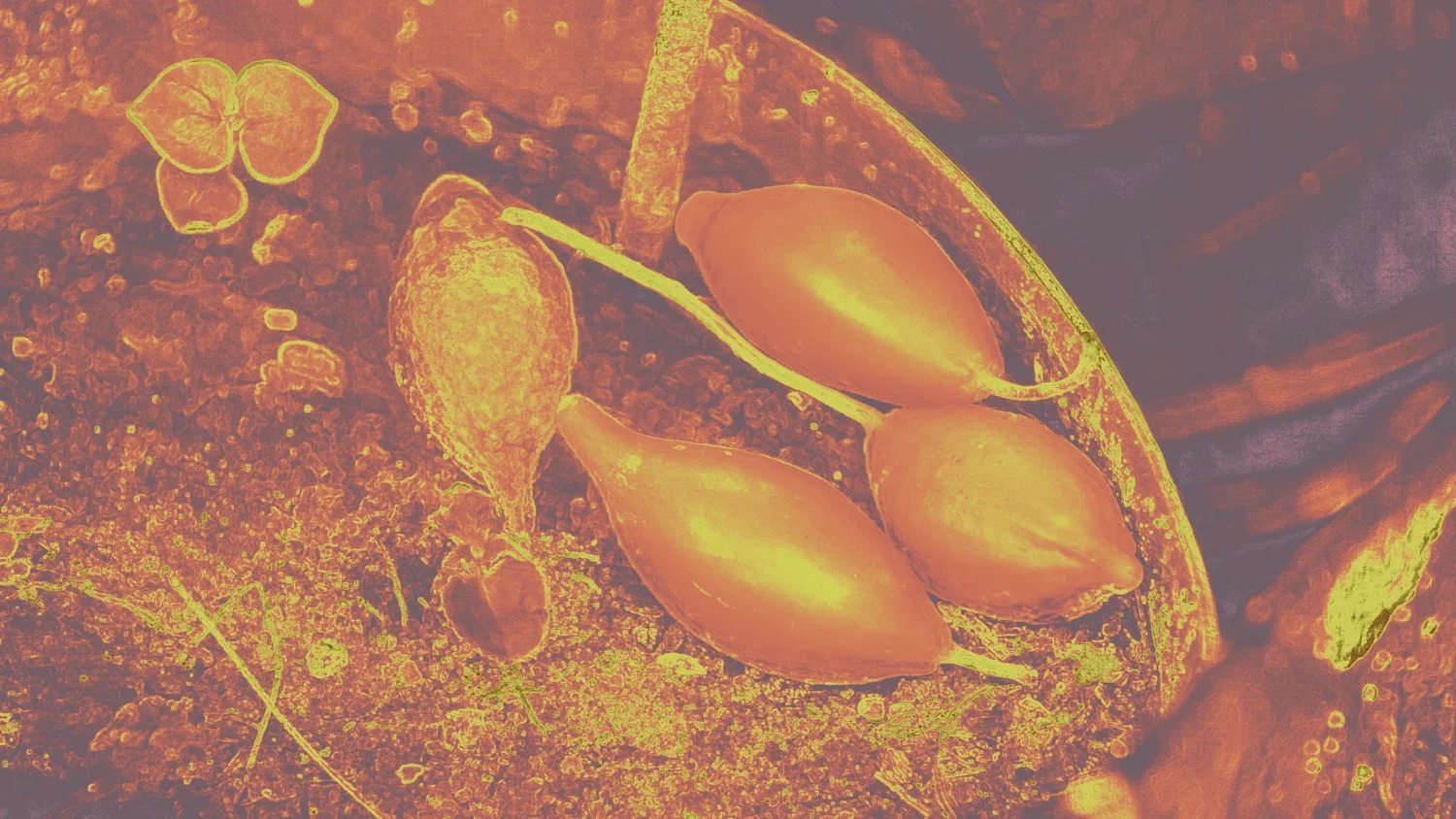
Ibogaine is a psychoactive compound found in Tabernanthe iboga, a shrub native to Central Africa. In the U.S., ibogaine is a Schedule I substance, meaning it is illegal outside of approved research settings.
People seek ibogaine for different reasons, including to process trauma, interrupt negative patterns as part of addiction treatment, or reorient their lives after major stress or loss. In some contexts, people also use iboga (the plant) in traditional ceremonial settings, which is distinct from medically monitored ibogaine treatment as it's generally marketed in parts of Mexico, Costa Rica, and elsewhere.
Research interest is growing, but so are warnings around cardiac risk, which is one reason many clinics emphasize medical screening and monitoring. Clinical literature has long warned that ibogaine can be associated with QT interval prolongation and potentially dangerous arrhythmias, and has argued for strict medical supervision where it is used.
A brief history: Tabernanthe iboga, Bwiti, and Western interest
Iboga has a deep cultural and spiritual history in Central Africa, including within Bwiti traditions. In modern Western contexts, ibogaine became widely discussed as an "addiction interrupter," especially for opioid withdrawal and craving reduction, often outside mainstream medical systems due to its legal status in the U.S.
It's important to hold two truths at once:
- Iboga has longstanding cultural lineages that deserve respect, context, and care.
- Ibogaine treatment as marketed to North Americans often exists in a modern "retreat/clinic" landscape that varies widely in safety practices and ethics.
Fireside Project's role is not to endorse or evaluate centers. Our focus is harm reduction and emotional support.
What a typical ibogaine retreat can look like
Ibogaine retreats and treatment vary significantly, but many follow a similar overall structure:
Medical screening and readiness checks
Many centers advertise pre-screening that may include lab work, medication review, and EKG/ECG cardiac screening due to known heart rhythm risks.
Preparation and intention-setting
People may be asked about goals for treatment (e.g., cravings, depression, PTSD symptoms, life direction). Some programs also incorporate talk-therapy-style preparation or coaching.
The dosing day (or days)
Retreats may describe a "flood dose" experience as intense, extended, and physically demanding. Some people report a long period of inward focus, vivid memory material, emotional processing, and exhaustion. Individual experiences vary widely.
Recovery, aftercare, and integration
After acute effects, many people describe a long, tender period of meaning-making: sleep disruption, emotional sensitivity, shifts in relationships, grief release, and a desire to reorganize life habits. This is where Fireside tends to come in—integration support is the most common ibogaine-related reason people call.
Why ibogaine is "having a moment" in North America
Ibogaine is increasingly visible in North American culture for a few converging reasons:
Veterans, PTSD, and TBI narratives are reaching the mainstream.
In January 2024 (updated July 2025), Stanford Medicine reported on an observational study involving U.S. special operations veterans who received ibogaine treatment in Mexico, describing substantial improvements in multiple mental health and functioning outcomes.
Large-scale public investment is accelerating attention.
In 2025, Texas approved a major $50 million public investment to support ibogaine clinical trials, frequently framed around potential benefit for veterans and for opioid-related harms.
Whether or not ibogaine becomes an FDA-approved treatment, this level of investment has shifted the public conversation—bringing more media coverage, more philanthropic interest, and more people seeking ibogaine retreats now (rather than waiting for regulated access).
The "why now" also includes a mental health system under strain.
Many people feel that existing treatment options haven't fully met the scale of suffering—especially for trauma-related conditions and addiction. That doesn't mean ibogaine is "the answer," but it helps explain why people are exploring it, sometimes urgently.
At Fireside, we take a harm-reduction stance: curiosity and hope can coexist with caution, preparation, and support.
Safety: what people often overlook (and what the research emphasizes)
Because ibogaine is surrounded by powerful stories and terms like "reset," "miracle," "one and done," some people underestimate or ignore the risk.
A reality-based harm-reduction frame includes:
- Cardiac risk is real. Published medical literature documents QT prolongation and ventricular arrhythmia risk, and reports severe adverse events and fatalities.
- Screening matters, but it's not a guarantee. Case reports and reviews describe cardiovascular complications even in people without known cardiac conditions, and individual metabolism differences may affect risk.
- Aftercare matters as much as the acute experience. Many ibogaine callers don't need help "during" the retreat—they need help weeks later when life is changing fast.
Fireside volunteers can't assess medical safety, but we can support emotional processing, grounding, and integration.
What Fireside hears from ibogaine callers
Because ibogaine peer support calls are low volume compared to substances like psilocybin or LSD, we don't treat this as a definitive dataset. But the pattern is consistent:
- Retreat-based experiences outside the U.S. (often Mexico/Central America).
- Integration questions dominate: "What do I do with what I saw?" "Why do I feel so raw?" "How do I rebuild my life after this?"
- Identity-level change: people describe shifts in cravings, emotional patterns, self-narratives, and relationships, sometimes with relief, sometimes with disorientation.
This is a key Fireside principle in action: you don't need advice to integrate—you often need a safe, steady human to help you hear yourself.
Joshua White's reflections: ibogaine, Beond, and "parts work"
Fireside Project's founder Joshua White has publicly shared that he prepared for his first ibogaine journey at a clinic in Mexico called Beond, and that the experience unexpectedly shaped how he understands his inner world.
In his writing, Joshua describes entering the experience with many intentions. One of them was simple: "Show me my parts." After the most intense portion of the journey, he reports that insights began arriving in a structured way: distinct "parts" of his personality, protective patterns, critical voices, compulsive tendencies, became vivid and nameable. He later recognized this through the lens of Internal Family Systems (IFS), a psychotherapy model that understands the psyche as a system of parts organized around a core Self.
Joshua's takeaway was not "ibogaine solved everything." It was more grounded and more actionable:
- The experience helped him identify protective patterns with less shame.
- He felt more able to relate to those parts with curiosity rather than force.
- Integration became less about chasing a peak experience and more about building an ongoing relationship with his internal world, through journaling, reflection, and sustained support.
Fireside shares this kind of story carefully: personal narratives can offer meaning, but they are not clinical proof, and they are not a recommendation. They are one person's account of what integration can look like when an experience brings up deep internal material.
TripCheck and integration support after ibogaine
Fireside's TripCheck program was designed for proactive support, so people can schedule a call window during a planned psychedelic experience. While most ibogaine retreats involve on-site staff, TripCheck can still be relevant for:
- the days immediately after returning home,
- the first week back at work or with family,
- moments when emotions surge and you feel alone with it.
Many people say that simply knowing support is scheduled can improve their "set and setting" psychologically, reducing fear and increasing resilience, even if they never answer the call.
How the Fireside Support Line helps
Fireside Project's Psychedelic Support Line is free and confidential. We provide peer-based emotional support grounded in harm reduction.
We can help you:
- talk through confusing or intense material
- ground when emotions spike
- reflect on meaning without forcing conclusions
- plan gentle next steps for integration (without directing your choices)
We can't:
- give medical advice
- evaluate an ibogaine retreat center
- advise on dosing, legality, or sourcing
If you're looking for longer-term, structured integration, Fireside-Certified™ Psychedelic Coaching may also be a fit.
Frequently Asked Questions: ibogaine retreats and ibogaine treatment
Is ibogaine treatment legal in the United States?
Ibogaine is a Schedule I controlled substance in the U.S., and is not FDA-approved. Some people access it outside the U.S. through plant medicine retreats and clinics.
Why do people seek ibogaine retreats?
Common reasons include substance use disorders disruption, trauma processing, and relief from depression or PTSD symptoms, often after other approaches to treating mental health conditions haven't helped. Increasingly, many people are heading to ibogaine treatment centers and retreats to facilitate spiritual growth.
Is ibogaine safe?
Ibogaine carries documented risks, especially cardiac risks, and published literature emphasizes careful medical screening and monitoring.
Why are veterans talking about ibogaine right now?
Media attention on this form of psychedelic therapy increased after high-profile veteran-focused reporting and a Stanford Medicine publication describing outcomes in special operations veterans, alongside large-scale public investment in research (e.g., Texas's $50M).
Can I call Fireside after I get home from a retreat?
Yes. Most ibogaine-related calls we receive are integration conversations in the days or weeks after a retreat.
If you're processing an ibogaine experience, you don't have to do it alone
Ibogaine sessions at retreats and treatment centers can bring powerful shifts, sometimes relieving, sometimes destabilizing, often both. Integration is where people make those shifts livable.
If you're looking for a calm, confidential place to talk it through, Fireside is here.
Call or text: 62-FIRESIDE (623-473-7433) Or connect through the Fireside Project app (TripCheck scheduling available).